
Cricket Control Strategies For Warehouses And Storage Facilities
People searching for cricket control strategies for warehouses and storage facilities are typically aiming to keep these spaces pest-free, and local contractors can provide effective solutions to manage and prevent cricket infestations.
For property owners managing warehouses and storage facilities, understanding effective cricket control strategies is essential to maintaining a clean and pest-free environment. Crickets can become a persistent nuisance, especially in spaces where they find shelter and food sources. Exploring practical control methods helps prevent infestations that could disrupt operations, damage stored goods, or lead to larger pest problems. Local contractors specializing in commercial cricket control have the experience and tools to implement targeted strategies that address specific needs, ensuring that your facility remains protected and compliant with pest management standards.
Readers interested in cricket control for warehouses and storage facilities should keep reading to discover how professional services can make a difference. Implementing proper exclusion techniques, sanitation practices, and targeted treatments can significantly reduce cricket activity and prevent future issues. Connecting with experienced service providers ensures that effective, customized solutions are in place, helping property owners maintain a safe and pest-free environment. Whether dealing with a current problem or taking proactive steps, understanding the options available through local contractors can support long-term pest management success.
- Cricket exclusion installation - when warehouses experience persistent cricket intrusions, local contractors implement sealing and exclusion methods to prevent entry.
- Insect barrier setup - storage facilities facing ongoing cricket infestations may need barrier solutions, with local service providers installing physical or chemical barriers.
- Cricket habitat removal - when crickets are nesting in storage areas, local pros focus on removing debris and potential hiding spots to reduce populations.
- Facility inspection and assessment - warehouses seeking to identify vulnerabilities and develop effective cricket control strategies often rely on local experts for thorough evaluations.
- Preventative treatment programs - ongoing cricket management in storage environments can involve local contractors applying targeted treatments to maintain control over time.
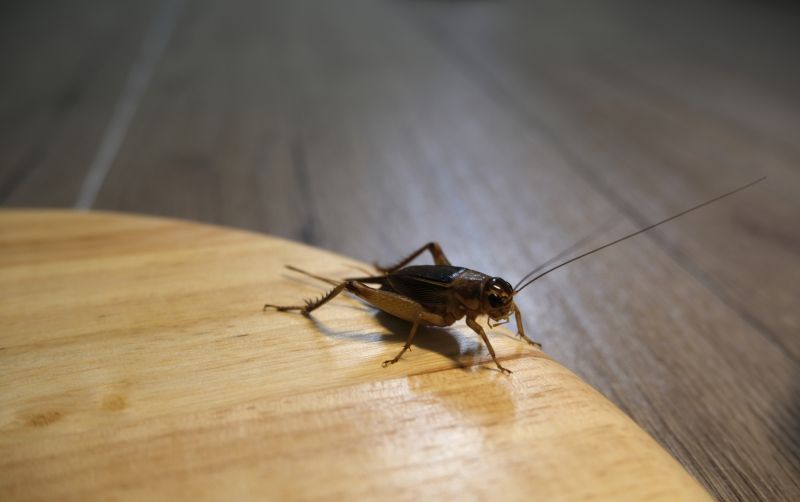

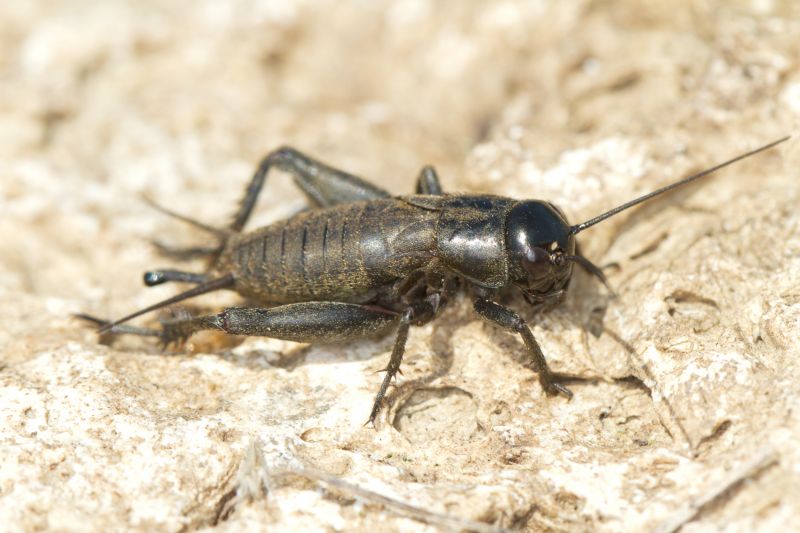
When searching for information on cricket control strategies for warehouses and storage facilities, most people are looking for effective ways to prevent or eliminate cricket infestations in commercial or industrial settings. These searches often relate to problems like crickets damaging stored goods, contaminating products, or creating an uncomfortable environment for employees. Property owners or managers might be exploring plans to reduce cricket activity through physical barriers, sanitation improvements, or targeted treatments. The goal is to develop a comprehensive approach that minimizes the risk of recurring infestations, ensuring that warehouses and storage areas remain clean, safe, and operational.
The types of problems associated with cricket infestations in these properties typically involve damage to packaging, insulation, or stored materials, which can lead to financial losses. Crickets are known to chew through cardboard, paper, and fabric, making stored inventory vulnerable. Additionally, their presence can attract other pests or cause concerns about hygiene and cleanliness. Strategies for controlling crickets in warehouses and storage facilities often include identifying entry points, sealing cracks and gaps, and implementing ongoing monitoring to catch early signs of activity. These plans may also involve the use of bait stations, insecticides, or environmental modifications to create an inhospitable environment for crickets.
Properties that commonly come up in discussions about cricket control strategies include large commercial warehouses, distribution centers, industrial storage units, and even smaller storage facilities within retail or manufacturing settings. These properties typically feature extensive shelving, stored goods, and structural features that can provide hiding spots or entry points for crickets. Warehouses with poor sanitation, open doors, or gaps around utility lines are especially vulnerable. Because these environments often store valuable inventory or sensitive materials, controlling cricket activity becomes a priority to prevent damage and maintain operational efficiency.
When exploring cricket control strategies for these types of properties, property owners often seek the assistance of local contractors who specialize in pest management for commercial settings. These service providers understand the unique challenges of warehouses and storage facilities and can tailor control plans accordingly. They may conduct thorough inspections to identify entry points and problem areas, then recommend integrated solutions that include physical exclusion, habitat modification, and targeted treatments. Connecting with experienced local pros ensures that property owners can implement effective, long-lasting cricket control measures that fit the specific needs of their facilities, helping to protect their investments and maintain a pest-free environment.
Pest Inspection and Prevention - Professionals specializing in pest inspections can identify vulnerabilities in warehouses that attract crickets and implement preventative measures aligned with cricket control strategies for storage facilities.
Building Exclusion Services - Local contractors skilled in sealing entry points and installing barriers help prevent cricket intrusion, supporting effective cricket control in warehouse environments.
Integrated Pest Management (IPM) - Service providers experienced in IPM utilize targeted techniques and monitoring to manage cricket populations while minimizing disruptions in storage facilities.
Sanitation and Waste Management - Experts offering sanitation solutions can reduce attractants for crickets, complementing cricket control strategies for warehouses and storage areas.
Structural Repairs and Modifications - Contractors capable of repairing cracks, gaps, and damaged areas contribute to the overall effectiveness of cricket control plans in storage facilities.
Environmental Modification Services - Specialists who adjust lighting, humidity, and other environmental factors help create less favorable conditions for cricket infestations in warehouses.
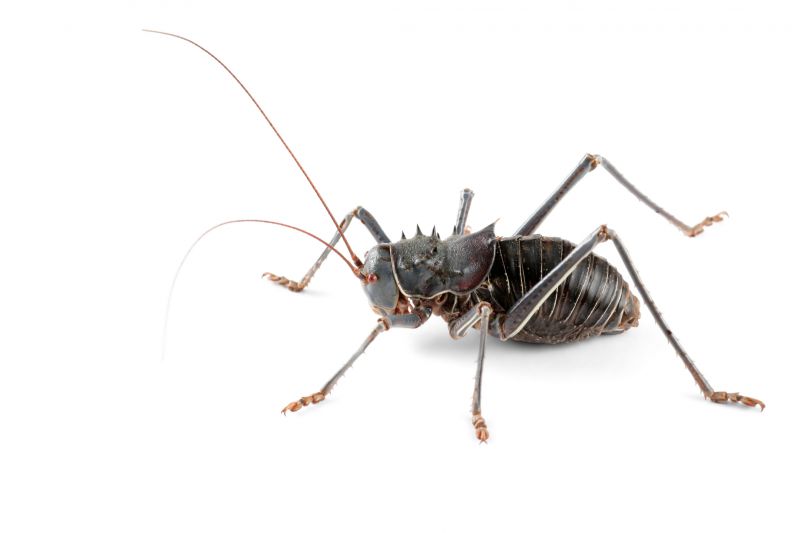
When evaluating service providers for cricket control strategies in warehouses and storage facilities, it is important to consider their experience with similar projects. A contractor who has successfully handled cricket control in commercial settings will be more familiar with the unique challenges these environments present, such as large storage areas, high ceilings, and the need for effective pest management without disrupting operations. Asking about their past work with warehouses or storage facilities can provide insight into their familiarity with the scope and scale of such projects, ensuring they have the practical knowledge to develop effective control strategies.
Clear written expectations are essential when choosing a contractor for commercial cricket control. A reputable service provider should be able to outline their approach, including the methods they plan to use, the areas they will treat, and any follow-up or prevention measures. Having these details in writing helps prevent misunderstandings and ensures that both parties are aligned on the scope of work. It also provides a reference point for evaluating the completeness and professionalism of the proposal, which can be a key indicator of the contractor’s reliability and thoroughness.
Reputable references and good communication are valuable indicators of a dependable contractor. Service providers with positive references from previous commercial clients demonstrate their ability to deliver results and maintain professional relationships. Additionally, clear and prompt communication throughout the process-whether answering questions, providing updates, or explaining procedures-reflects their commitment to customer service. When comparing local contractors, it is beneficial to inquire about their experience with similar facilities and to assess how well they communicate, as these factors can significantly influence the success and smoothness of the cricket control project.
Property owners often search for cricket control strategies for warehouses and storage facilities when they are planning practical projects around their homes and businesses. Local pros provide Commercial Cricket Control services for everyday jobs and straightforward project options.
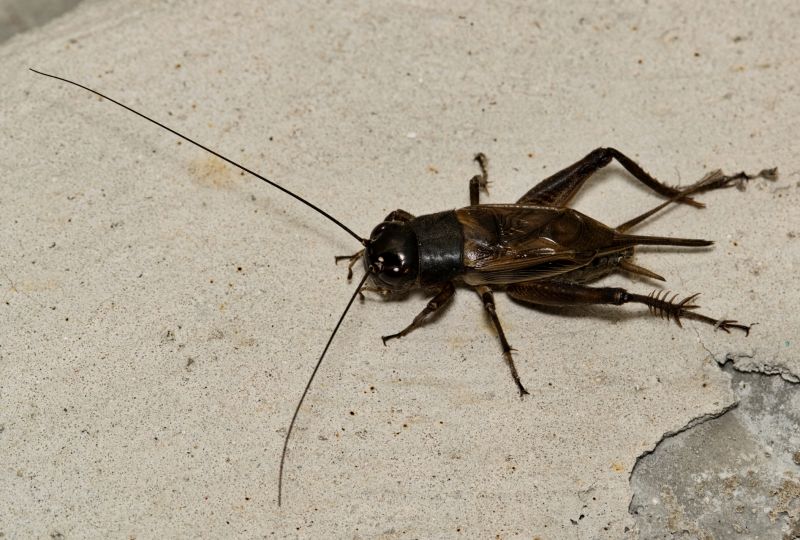
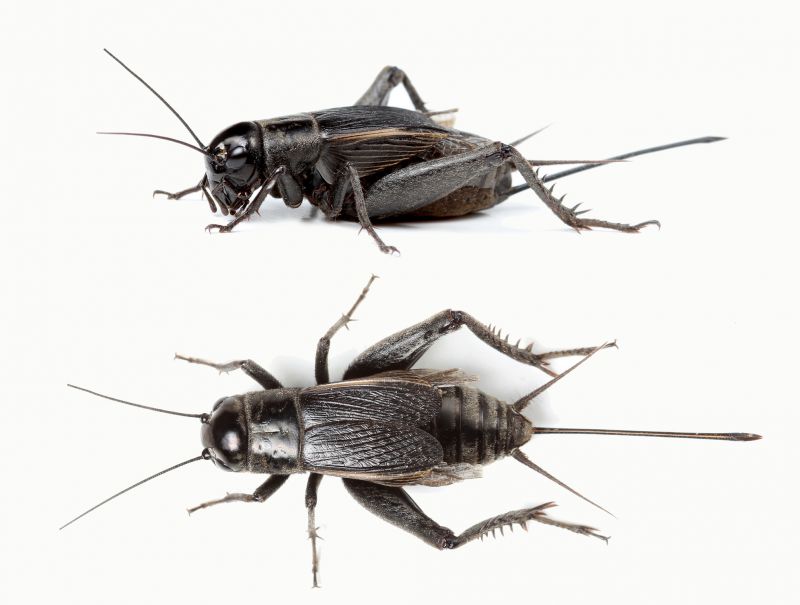
Cricket control strategies for warehouses and storage facilities are essential for property owners who want to prevent infestations that can disrupt operations or damage stored goods. Common situations include noticing increased cricket activity in storage areas, finding signs of their presence like droppings or shed skins, or experiencing recurring issues despite previous efforts. In these cases, property owners often look for straightforward, effective solutions offered by local contractors who specialize in pest management. These professionals can assess the specific layout and conditions of a warehouse, then implement targeted cricket control strategies to keep these pests at bay and maintain a pest-free environment.
Many property owners in the area turn to local service providers who understand the unique challenges of controlling crickets in commercial storage settings. These experts typically use a combination of exclusion techniques, such as sealing entry points, and strategic treatments to reduce cricket populations. Since warehouses and storage facilities often have hidden areas that are difficult to reach, experienced contractors can identify potential problem spots and recommend practical steps to minimize entry and harborage. Connecting with local pros for cricket control strategies can help property owners protect their investments and ensure that their facilities remain secure and pest-free.
What are effective cricket control strategies for warehouses and storage facilities? Local contractors typically recommend a combination of sealing entry points, removing food sources, and applying targeted treatments to prevent and eliminate cricket infestations in warehouses and storage areas.
How can I prevent crickets from entering my warehouse? Professionals often suggest sealing cracks, gaps, and vents, maintaining clean storage environments, and installing physical barriers to reduce the chances of crickets entering the facility.
Are chemical treatments safe for controlling crickets in storage facilities? Many service providers utilize approved chemical treatments that are safe for indoor use when applied properly, minimizing risks to stored goods and personnel.
What maintenance practices support long-term cricket control in warehouses? Regular inspection, prompt repair of structural damages, and consistent sanitation are key practices recommended by local contractors to sustain effective cricket management.
Can professional cricket control services help with ongoing prevention? Yes, local service providers can develop customized pest management plans that include routine inspections and preventative treatments to keep crickets from returning.
Inspection and Identification - Regular inspections by local contractors help identify cricket entry points and nesting areas within warehouse structures.
Sealing Entry Points - Applying sealing techniques to gaps, cracks, and vents prevents crickets from entering storage and warehouse spaces.
Sanitation and Clutter Control - Maintaining cleanliness and reducing clutter minimizes hiding spots and food sources for crickets in storage areas.
Targeted Treatment Plans - Implementing customized treatment strategies using professional-grade products ensures effective cricket control in warehouse environments.
If you are thinking about cricket control strategies for warehouses and storage facilities for a property, this guide is meant to help you understand this topic, the typical project types, and how different options might fit your plans.
When you are ready, you can use the quote form on this page to share a few details about your project. From there, local pros can review the basics and follow up with options that match what you have in mind.